


The Allure of Casino Games
The appeal of casino games goes far beyond mere entertainment; it taps into deep-rooted psychological triggers that captivate players’ emotions and desires. Many individuals are drawn to the thrill of chance and the prospect of winning substantial sums of money, including those who enjoy pokies online nz in their leisure time. This desire for reward activates the brain’s pleasure centers, releasing dopamine, a neurotransmitter associated with pleasure, motivation, and learning. As a result, players often find themselves in a state of heightened excitement, which may lead them to engage in games longer than they initially planned. The excitement of winning, even small amounts, can create a powerful urge to keep playing, reinforcing the cycle of gambling behavior.
Moreover, the design of casino environments is meticulously crafted to enhance this allure. Bright lights, engaging sounds, and vibrant colors stimulate the senses, creating an immersive atmosphere that encourages prolonged play. The architecture of casinos often resembles that of entertainment venues, with no windows or clocks, ensuring players remain unaware of the passage of time. Such psychological manipulation fosters an environment where individuals may lose track of reality, further reinforcing their engagement with the games. This carefully curated ambiance works in tandem with the players’ psychological responses, making it difficult to resist the temptation to gamble.
The social aspect of casinos also plays a significant role in their allure. Many players enjoy the communal experience of gambling, sharing laughter and excitement with friends or even strangers. Interactions, whether friendly or competitive, can enhance the overall enjoyment of the games. This social dynamic not only fosters a sense of belonging but also creates a feedback loop of excitement, making the experience even more rewarding and, subsequently, more addictive. In this way, the social environment can amplify personal motivations, making players more inclined to return to the casino scene.
The Role of Cognitive Biases in Gambling
Cognitive biases significantly shape how players perceive their chances of winning. One of the most common biases is the illusion of control, where players believe they can influence the outcome of a game through their actions. For instance, a player may think that their strategy in a game of chance can lead to favorable results. This false sense of control can escalate their risks and encourage them to gamble more, often leading to increased losses. The belief that skill can overcome chance can be especially dangerous, as it leads players to make irrational decisions based on unfounded confidence.
Another prevalent bias is the gambler’s fallacy, where players assume that past events influence future outcomes in random games. For example, if a roulette wheel has landed on red several times in a row, a player might mistakenly believe that black is due to win next. This misconception can lead to irrational betting behaviors and a misunderstanding of probability, skewing a player’s decision-making process and often resulting in financial losses. The gambler’s fallacy demonstrates how cognitive biases can distort rational thinking, making it crucial for players to understand these concepts to mitigate their effects.

Additionally, the availability heuristic plays a role in how players assess risk and rewards. If a player frequently hears success stories or sees a few big wins, they may overestimate the likelihood of achieving similar successes themselves. This can be further amplified by social media and marketing strategies that highlight winners, leading to unrealistic expectations about gambling outcomes. Such biases contribute to a cycle of repeated gambling, fueled by the initial high and the hope of winning big. Acknowledging these cognitive biases can empower players to make more informed choices and recognize when their thinking may be clouded by optimism.
Addiction and the Psychology of Gambling
Gambling can easily transition from a recreational activity to a problematic behavior for some players. The psychology behind this transition often involves underlying emotional issues or mental health challenges such as anxiety, depression, or low self-esteem. For many individuals, gambling serves as a coping mechanism, providing an escape from reality and the pressures of everyday life. This behavior can create an emotional dependency on gambling as the player seeks relief through the thrill of the game. The escapism offered by gambling can be alluring, but it often masks deeper issues that require attention and care.
Moreover, the cycle of wins and losses further complicates the player’s relationship with gambling. Wins reinforce the behavior, promoting it as a viable solution to their issues, while losses may lead to a desire to “chase” previous losses, ultimately resulting in a deeper entrenchment in problematic gambling. Understanding this cycle is crucial for recognizing when casual play might escalate into an addiction. The emotional highs and lows players experience can be addictive in their own right, as the brain seeks to replicate the pleasurable sensations associated with winning.
Research suggests that certain individuals may be genetically predisposed to addictive behaviors, including gambling. Factors such as impulsivity, risk-taking tendencies, and emotional regulation difficulties can make some individuals more susceptible. Additionally, the presence of social and environmental factors, such as peer pressure or exposure to gambling from a young age, can significantly influence gambling tendencies. By examining these aspects, we can better understand why some individuals develop gambling addictions while others maintain control. This understanding can pave the way for effective strategies to prevent and treat gambling addiction.
Understanding Player Motivation
The motivations behind why people play casino games are diverse and often deeply personal. For some, the thrill of high-stakes gambling and the possibility of significant financial gain can be the primary driver. Others may find satisfaction in the challenge of mastering a game, improving their skills, or simply enjoying the rush of competition. Understanding these varied motivations provides insight into the multifaceted nature of gambling behavior and the different experiences players have in the casino environment. Each player’s unique combination of motivations can shape their approach to gambling and their overall experience.
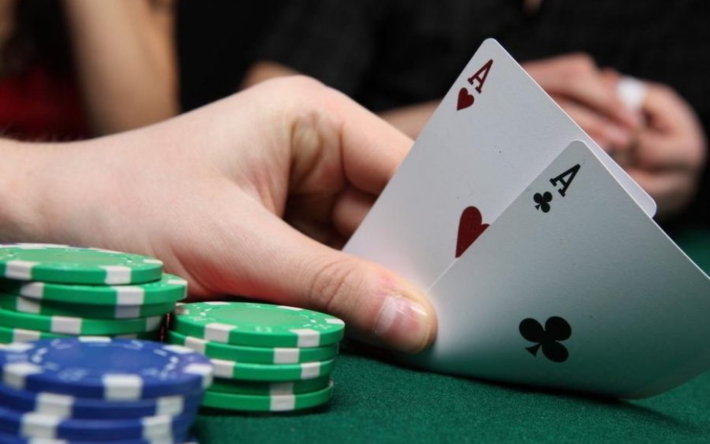
Other players may seek a distraction from day-to-day life, using gambling as a means to escape stress or anxiety. In these cases, the social aspect of gambling can also play a crucial role, as individuals seek companionship and connection through shared experiences. This desire for social interaction often enhances the emotional experience, making gambling a way to engage with others while simultaneously satisfying personal needs for excitement and entertainment. The blend of socialization and thrill can create a compelling reason to return to the casino, as players seek both connection and the adrenaline rush.
Understanding player motivation also extends to the influence of marketing strategies employed by casinos. Advertisements and promotions often target specific psychological triggers, such as the fear of missing out or the allure of exclusivity. By appealing to players’ desires and emotions, casinos effectively draw in new players and encourage existing ones to continue returning. This understanding can further reinforce the psychological aspects of gambling, leading individuals to engage repeatedly in gaming behavior to satisfy their psychological needs. The casinos’ strategic marketing often exploits these motivations, making it essential for players to recognize these influences on their gambling choices.
Exploring More About Casino Psychology
For those interested in delving deeper into the psychology of casino games and the players drawn to them, a wealth of resources is available. Numerous books, articles, and research studies explore the intricate relationship between human psychology and gambling behaviors. These materials can provide valuable insights into why certain patterns emerge in gambling communities and how casinos strategically leverage psychological principles to enhance player engagement. Engaging with this literature not only enriches understanding but can also contribute to more responsible gambling practices.
In addition to literature, many online platforms and forums discuss personal experiences and the psychological impact of gambling. These communities enable individuals to share their stories, learn from others’ experiences, and gain a better understanding of the temptations and challenges that come with gambling. Engaging in discussions with others can also provide a sense of validation for those grappling with their own gambling experiences, fostering a supportive environment for recovery and understanding. Such platforms can be instrumental in promoting awareness and support, helping individuals navigate their gambling journeys more effectively.
Ultimately, recognizing the psychological aspects that underpin casino games can help players make more informed decisions about their gambling behaviors. By increasing awareness of the triggers, biases, and motivations driving play, individuals can better navigate the complex world of gambling. This understanding not only benefits individual players but also contributes to broader conversations around responsible gaming and addiction prevention, paving the way for healthier gambling practices for all involved. The ongoing exploration of casino psychology is essential for fostering a safer, more informed gambling culture.